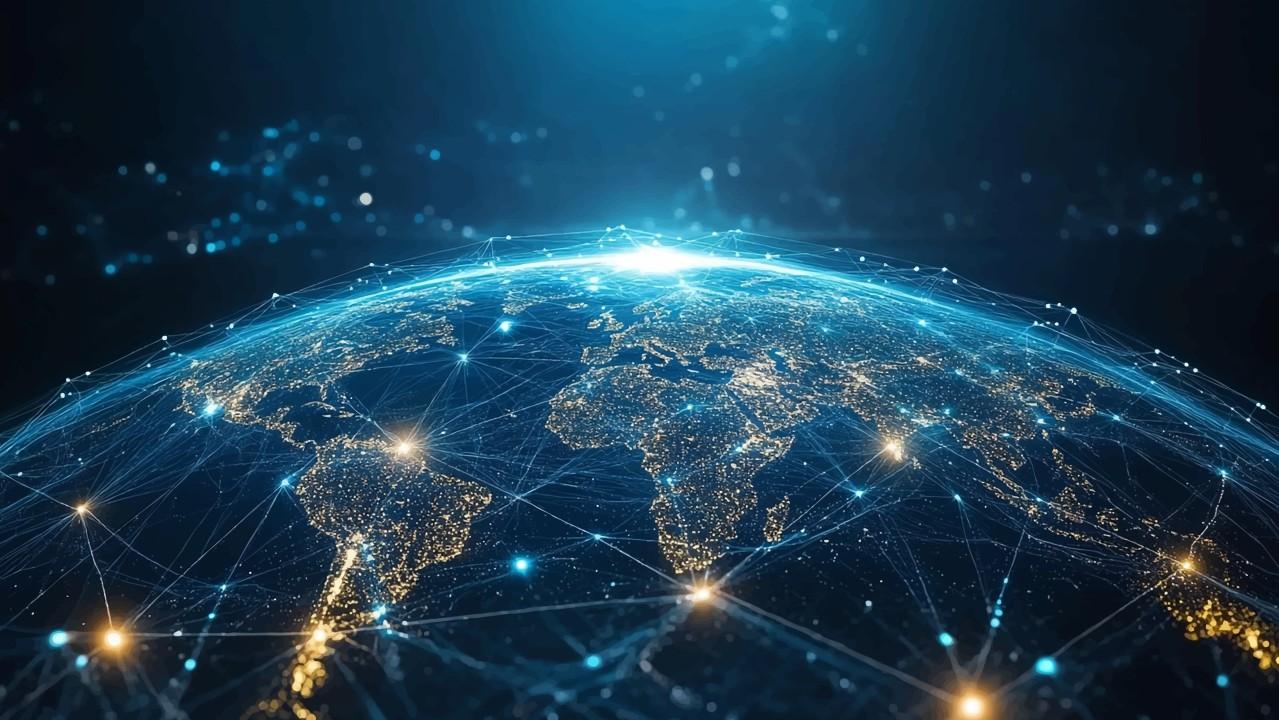

How the Internet Changed the Modern World
Beyond Borders: Why Geographic Flexibility Is The Ultimate Business Superpower
Bin3aiah Wisdom | Technology, Innovation & Human Progress
SEO Title: How the Internet Changed the Modern World: A Digital Revolution
Meta Description: Discover how the internet transformed communication, education, business, healthcare, entertainment, and everyday life—and what comes next.
URL Slug: how-the-internet-changed-the-modern-world
Introduction: The Invention That Connected Humanity
Few inventions have transformed human civilization as profoundly as the internet. What began as an experimental network connecting research institutions has evolved into a global digital infrastructure that influences nearly every aspect of modern life.
The internet has changed how people communicate, learn, work, shop, travel, and access information. It has created industries, connected communities across continents, and opened opportunities that previous generations could scarcely imagine.
Yet this digital revolution has also introduced challenges, including misinformation, cybercrime, privacy concerns, and growing dependence on technology.
Understanding how the internet changed the modern world means exploring both its extraordinary achievements and its lasting consequences.
1. The Birth of the Internet
İnternetin dünyayı sarsan 50 yılının kısa hikâyesi – Webrazzi
The foundations of the internet emerged during the 1960s, when researchers developed methods for connecting computers and exchanging information over networks.
In 1969, ARPANET, funded by the United States Advanced Research Projects Agency, connected its first computers. It became an important precursor to today’s internet.
Major milestones followed:
| Year | Milestone |
|---|---|
| 1969 | ARPANET begins connecting research computers |
| 1971 | Early network email is developed |
| 1983 | ARPANET adopts TCP/IP protocols |
| 1989 | Tim Berners-Lee proposes the World Wide Web |
| 1991 | The Web becomes publicly accessible |
| 1990s | Internet access expands commercially |
| 2000s | Broadband, social media, and online services grow |
| 2010s | Smartphones and cloud computing accelerate connectivity |
| 2020s | AI, connected devices, and advanced networks reshape digital experiences |
The internet and the World Wide Web are not the same thing. The internet is the underlying global network, while the Web is a system of linked documents and resources accessed through it.
2. Revolutionizing Global Communication
How to Prevent Misunderstandings in Cross-Cultural Teams (Practical Playbook + Message Templates)
Before widespread internet access, international communication often depended on costly telephone calls, postal mail, and physical meetings.
Today, messages, photographs, videos, and documents can cross the world almost instantly.
Email transformed professional correspondence, while instant messaging and video calls made real-time international communication accessible to millions of families and businesses.
Social media platforms introduced new ways for individuals to share ideas and reach global audiences.
The greatest change: Geographic distance no longer prevents people from communicating and collaborating in real time.
3. Making Knowledge Accessible
The internet revolutionized access to information.
Previously, students and researchers often relied on physical libraries, printed encyclopedias, and local educational institutions.
Today, digital libraries, online courses, educational videos, and research databases allow people to learn from almost anywhere with an internet connection.
Platforms such as Wikipedia, Khan Academy, and YouTube have helped make educational material widely accessible.
However, having information available is not the same as understanding it. Critical thinking, verification, and digital literacy have become essential skills.
4. Transforming Business and the Global Economy
The internet fundamentally changed how companies operate and compete.
A small business can now advertise products internationally, accept digital payments, serve customers remotely, and manage operations through cloud-based systems.
E-commerce platforms have enabled businesses to sell beyond their physical locations.
Digital marketing, search engines, and social networks have also transformed how companies attract customers.
Major economic changes include the rise of online marketplaces, digital subscriptions, remote services, financial technology, and internet-based entrepreneurship.
The internet has lowered many barriers to starting a business, although competition has intensified and businesses increasingly depend on digital platforms.
5. Changing Entertainment and Media
The internet has reshaped the global entertainment industry.
Traditional media followed scheduled television broadcasts, cinema releases, radio programming, and physical distribution.
Today, streaming platforms, podcasts, online games, and social media allow audiences to access content on demand.
Individuals can also become independent creators, building audiences without traditional publishing companies or broadcasting networks.
This created the modern creator economy, in which people can generate income through advertising, subscriptions, sponsorships, and digital products.
At the same time, traditional media organizations face new challenges in maintaining revenue and audience attention.
6. Reinventing Work and Collaboration
Cloud computing, online collaboration, and video conferencing have made it possible for many professionals to work from different locations.
Businesses can coordinate international teams, share documents instantly, and manage projects without everyone being in the same office.
The internet has contributed to the rise of remote employment, freelancing, digital entrepreneurship, and international outsourcing.
However, these changes have also blurred the boundaries between professional and personal life, creating new questions about productivity, work-life balance, and digital well-being.
7. Improving Healthcare and Scientific Research
Internet connectivity has supported major advances in healthcare delivery and research.
Patients can access medical information, attend telemedicine consultations, and communicate with healthcare professionals remotely.
Researchers can share scientific findings across borders, collaborate on international studies, and access large datasets.
Connected medical devices and digital health records can support monitoring and coordinated treatment.
Nevertheless, online health information varies in quality, and sensitive medical information requires strong privacy and security protections.
8. Connecting Cultures and Societies
The internet has made cultural exchange faster and more accessible.
People can explore international literature, music, languages, traditions, and perspectives without traveling.
Communities with shared interests can form across countries and continents.
Digital communication has also helped social movements organize and has provided new platforms for public discussion.
Yet online communities can also become divided by misinformation, polarization, and algorithms that reinforce existing beliefs.
The internet’s influence on society is therefore powerful, but not always positive.
9. The Challenges of the Digital Age
Cybersecurity and privacy
Personal information, financial accounts, and business systems face risks from hacking, identity theft, and data breaches.
Misinformation
False stories and manipulated content can spread rapidly, making reliable information sources increasingly important.
The digital divide
Differences in connectivity, affordability, and digital skills leave some communities excluded from online opportunities.
Digital well-being
Excessive screen time, online harassment, and constant digital stimulation can negatively affect well-being.
10. The Future: Artificial Intelligence and a More Connected World
The next phase of the internet is being shaped by artificial intelligence, connected devices, faster networks, and increasingly sophisticated digital services.
AI systems can help people analyze information, create content, translate languages, and automate repetitive tasks.
The Internet of Things connects physical devices, from household appliances to industrial equipment, enabling systems to exchange information and respond to changing conditions.
Future developments may create more personalized learning, smarter transportation systems, improved scientific discovery, and new forms of digital collaboration.
However, societies will also need to address questions involving AI governance, privacy, security, economic inequality, and the responsible use of technology.
Conclusion: A Revolution That Continues
The internet did more than connect computers. It connected people, knowledge, businesses, and opportunities on an unprecedented global scale.
It has reshaped economies, transformed communication, expanded education, and changed how humanity experiences the world.
Its greatest contribution may be the ability to share knowledge and collaborate across borders, but its long-term value depends on how responsibly people and institutions use it.
The internet changed how humanity connects. The next challenge is ensuring that greater connectivity leads to greater human progress.
SEO & Publishing Details
| Field | Recommended content |
|---|---|
| Website | Bin3aiah Wisdom |
| Category | Technology & Human Progress |
| Focus Keyword | How the Internet Changed the Modern World |
| Secondary Keywords | History of the Internet, Digital Revolution, Internet Impact on Society, Internet and Technology |
| Suggested Tags | Internet, World Wide Web, Digital Transformation, Innovation, Technology, Communication, Education, Artificial Intelligence, Human Progress, Digital Economy |
| Image Alt Text | Global internet connections illustrating the digital transformation of the modern world |
Suggested internal links: History of Technology, Artificial Intelligence and the Future of Humanity, The World’s Greatest Inventions.
Reliable reference sources: Internet Society – Internet History and CERN – The Birth of the Web.